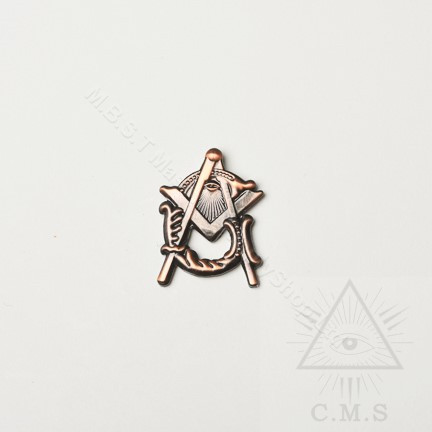
Pins and badges are the smallest items a Canadian Masonic store sells, but they're among the most used. Pins are worn every day, given to visitors and new members, and mark offices and milestones. Badges help Brethren and guests put names to faces.
Square and Compasses pins
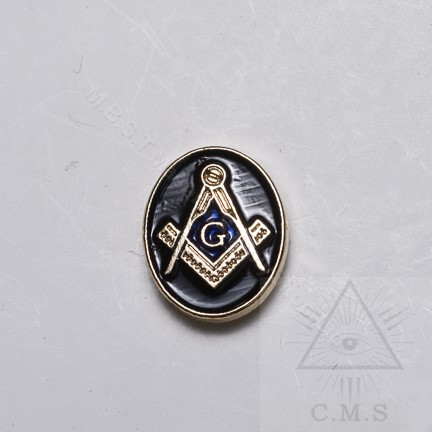
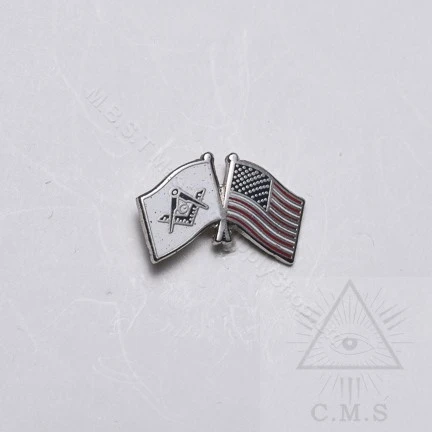
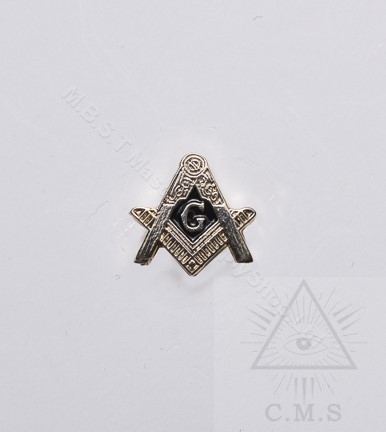
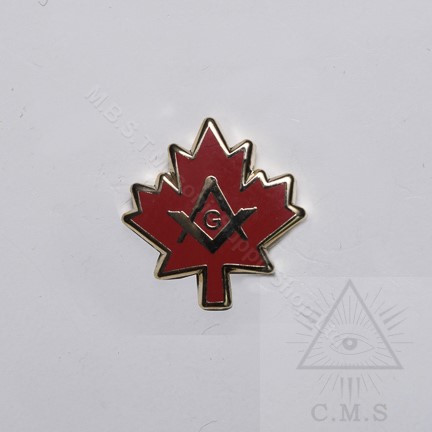
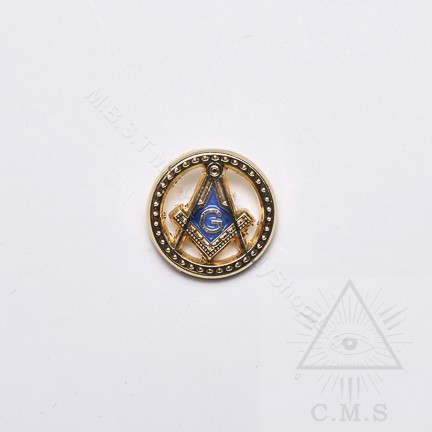
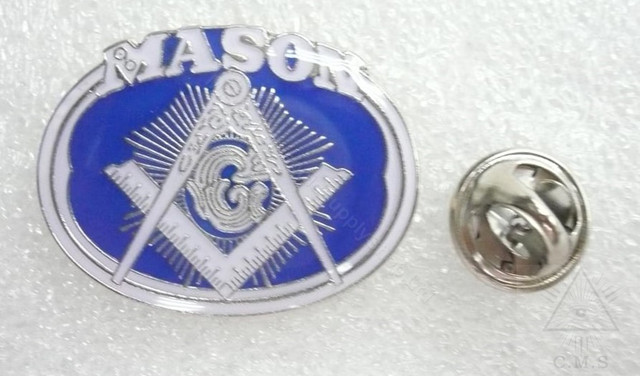
The classic Masonic lapel pin carries the Square and Compasses, usually with the G. It suits any Master Mason. Gold-tone and enamel versions are common, along with discreet designs that are recognisable mainly to other Masons.
Lodge officer pins
Officer pins show an office, such as Worshipful Master, Warden, Secretary or Treasurer, using the emblem of that office. Lodges sometimes present them at installation as a memento of the year.
Past Master and anniversary pins
Past Master pins and anniversary-year pins mark service and milestones. Grand Lodges often supply official long-service pins; lodges can add their own recognition.
Custom lodge pins
A pin with the lodge's name and number makes a good welcome gift for new members and visitors. Keep the design simple, since detail disappears at pin size.
Name badges
Name badges help visitors and new members, especially at large meetings, District events and social nights. See our guide to Masonic name badges.
Wearing pins
- Wear lapel pins on the left lapel.
- One or two pins look best; avoid a crowded lapel.
- Wear only the pins of offices and bodies you belong to.
Pins for new members and visitors
A small stock of pins is one of the most effective welcoming tools a lodge can have. Give each new Master Mason a Square and Compasses pin on the night of his raising, and keep lodge pins on hand for visitors, especially those who travel a long way. Many Brethren keep collections of pins from lodges they have visited.
Storage and stock
Keep pins in their bags or a divided box so the enamel doesn't scratch, and store them somewhere dry, since clutch backs can rust. A simple list of pins received and presented helps the next Secretary know what is in the cupboard.
Discreet pins
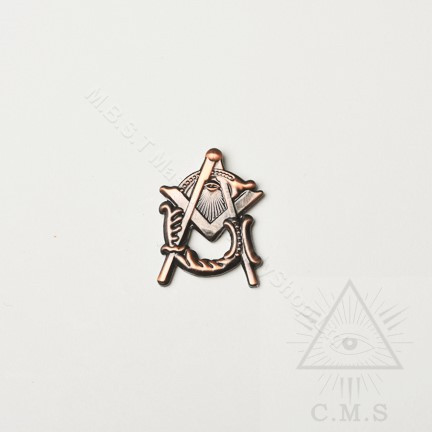
Some Brethren prefer a discreet pin that other Masons will recognise but that isn't obviously Masonic to everyone else, such as a small emblem or a simple design in a single colour. These suit workplaces where a more prominent pin might feel out of place.
Pins for lodge anniversaries
When a lodge celebrates a centenary or other milestone, a commemorative pin gives every member and visitor a keepsake. Order well ahead, approve a proof carefully, and order extras for visitors, future initiates and the lodge archive.
Your Canadian Masonic store for pins and badges
The Canadian Masonic Supply Shop carries Square and Compasses pins and lodge officer pins.
FAQ
Can family members wear Masonic pins?
Masonic emblems are generally reserved for Masons. Family organisations have their own pins.
What size should a lapel pin be?
Around 1.5 to 2 cm suits most lapels.
Can a lodge order its own pins?
Yes. Custom pins usually require a minimum order and a proof to approve.
Do lodges give pins to visitors?
Many do. A lodge pin is an inexpensive, memorable thank-you for Brethren who travel to visit.
How should I store a collection of pins?
A divided case or display board keeps pins from scratching each other and makes a collection easy to enjoy.
Can pins be worn on regalia?
Lapel pins are generally everyday wear rather than regalia. Follow your Grand Lodge rules on what may be worn in lodge.
Are officer pins worn after the year in office?
Many Brethren keep wearing them as a memento; Past Master pins mark completed service as Master.